Michaela Putz examines the image not as a representation but as a technical artifact: as data subject to compression, degradation, and loss. Her practice is concerned with disappearance as a medial condition – whatever disappears leaves traces in formats, archives, and corrupted files, and it is from these residues that her works develop. In installations, videos, printed images, and artist books – from pigment prints on seeded cotton to AI-supported 3D models and in-situ collages – the losses of the technical image appear not as defects, but as conditions from which new forms of presence emerge. Reconstruction and manipulation are her two central operations; recent projects have focused on plant species that have recently become extinct or are critically endangered.
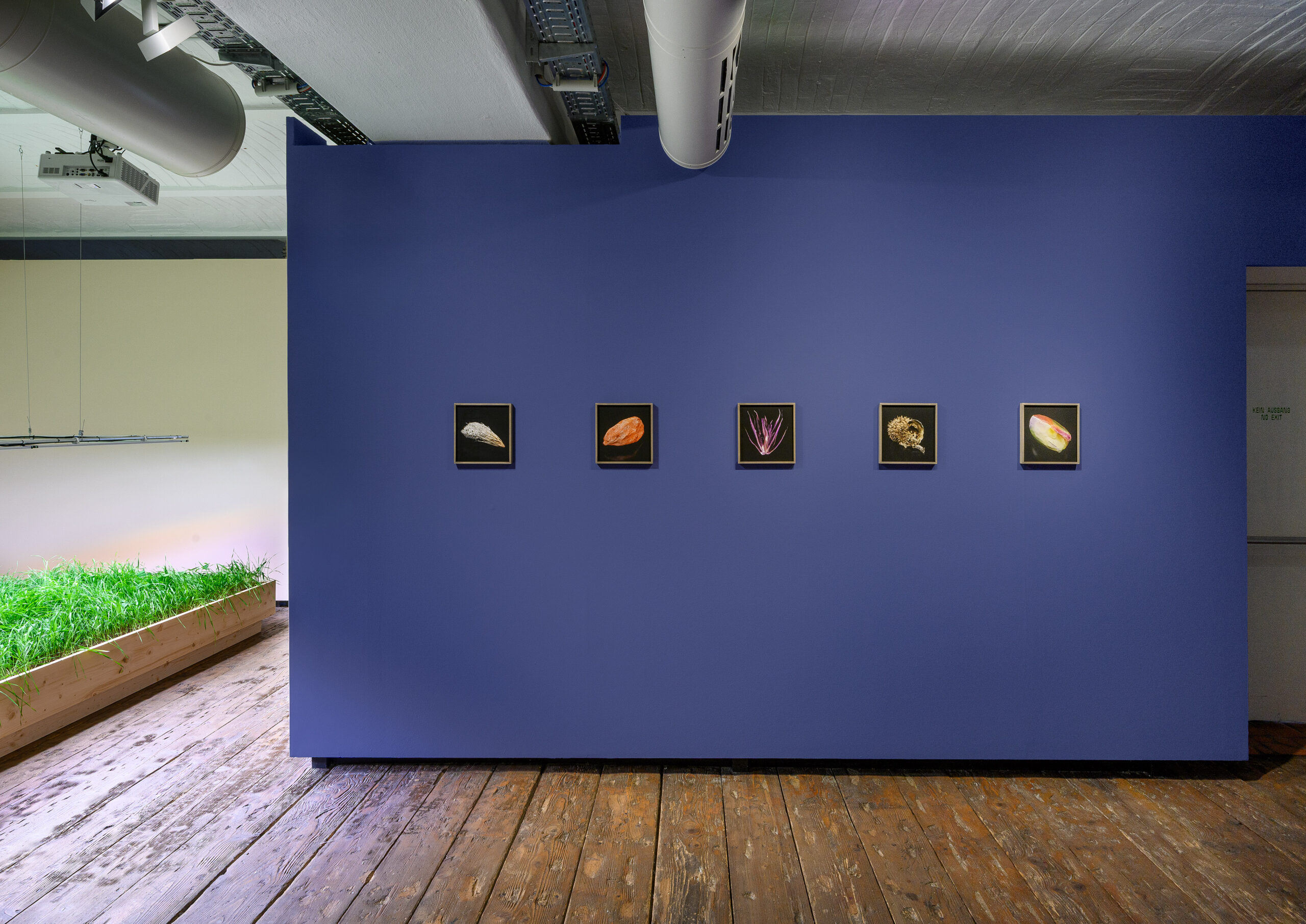
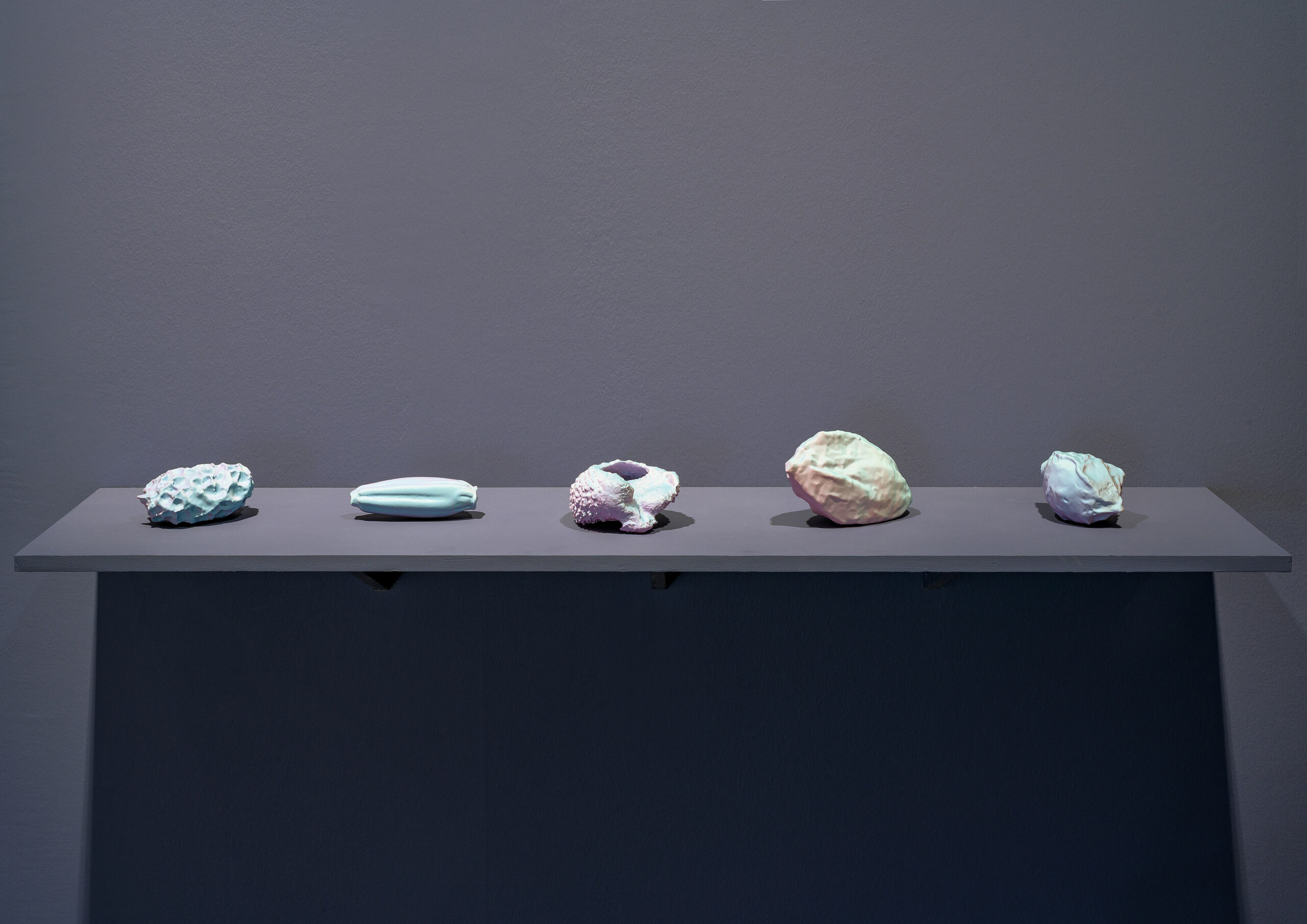
This work explores seeds as carriers of past and future, translating them from biological entities into digital objects. Using photographs from the archive of a species conservation project at the Botanical Garden of the University of Vienna, the artist creates AI-supported 3D models and speculative seed hybrids.
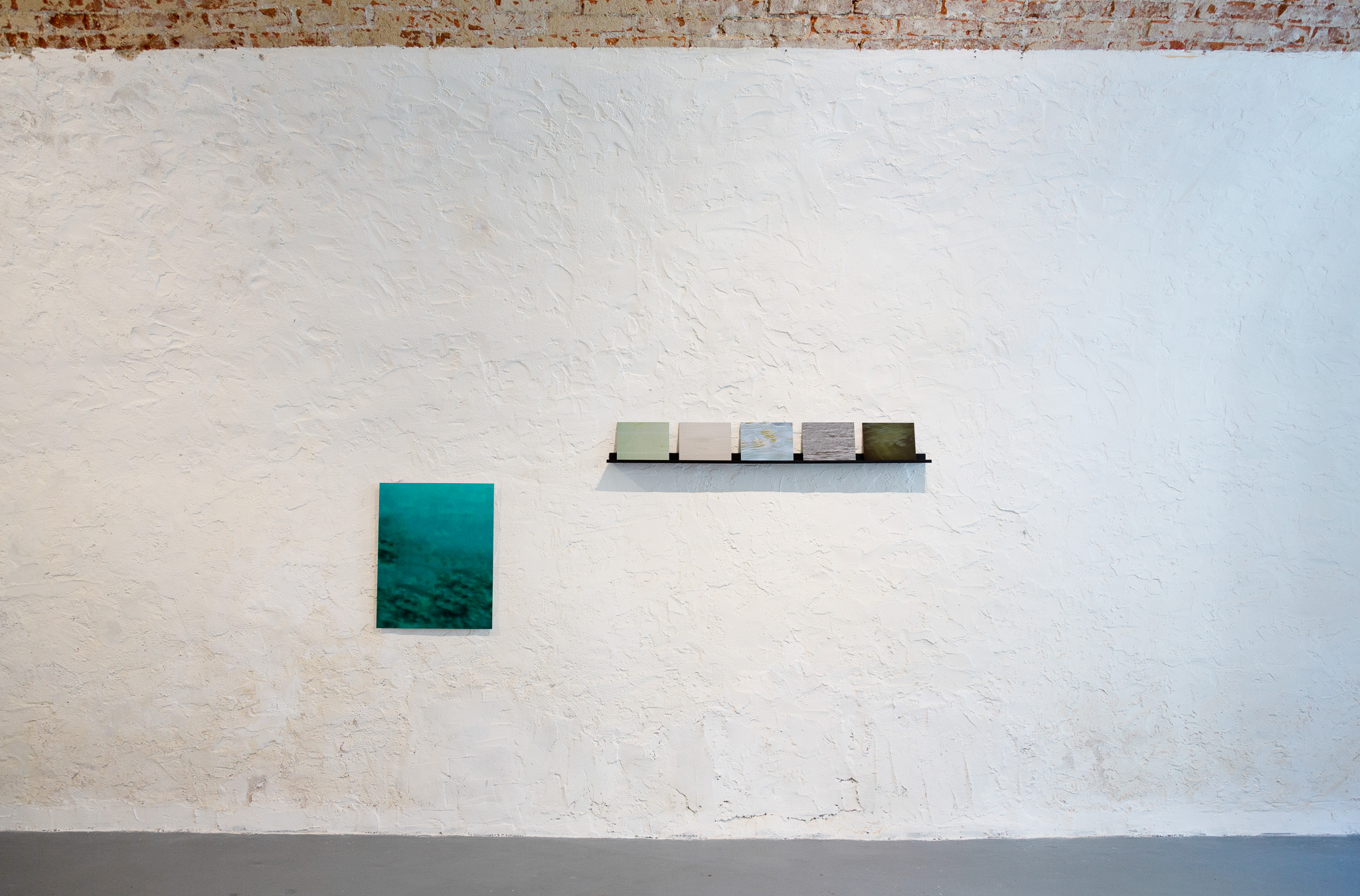
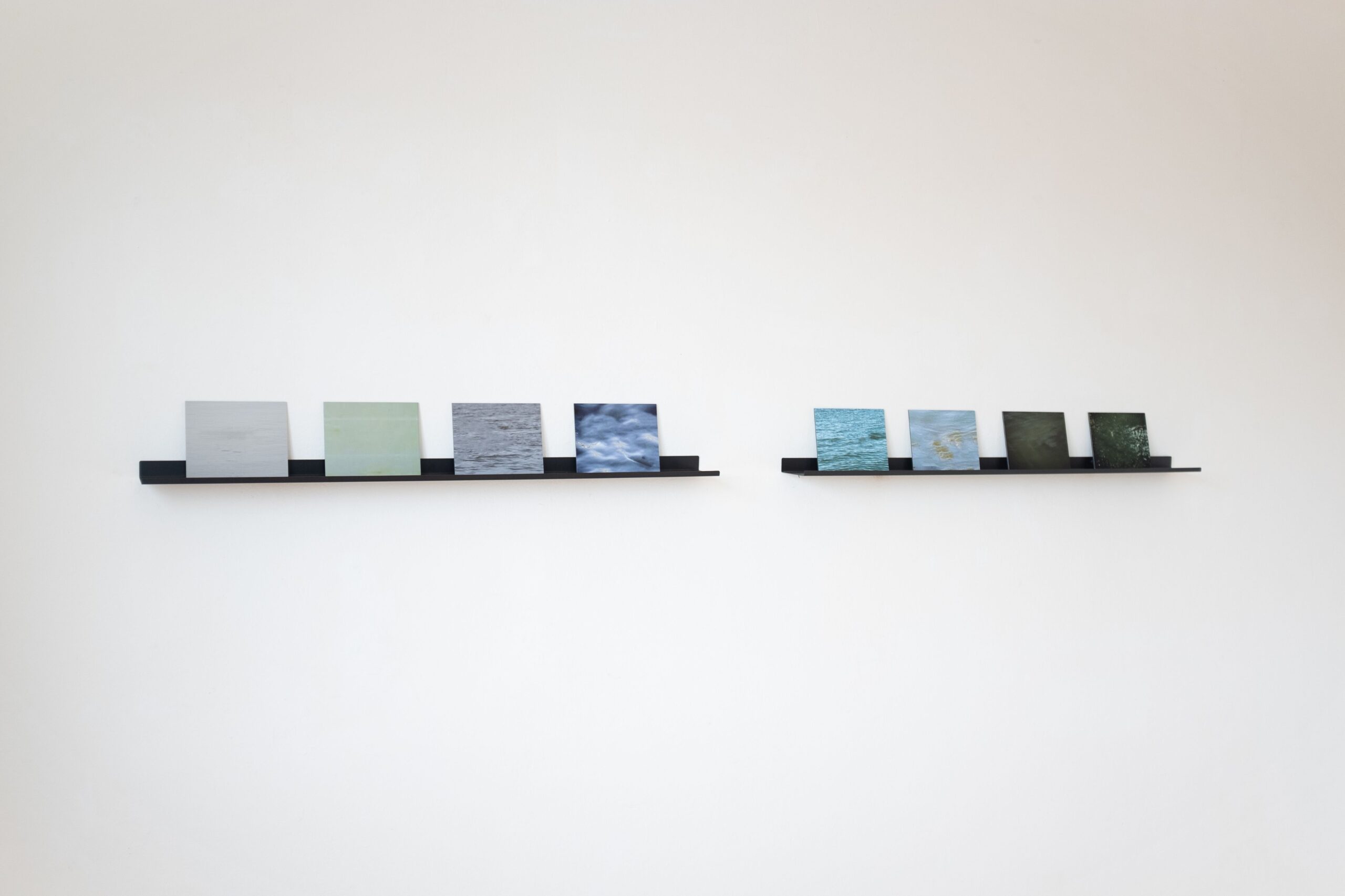
“During her three-month residency in the Yangtze Delta in Shanghai—a place where ecological fragility and global production chains are inseparably intertwined—Putz began her engagement with the Baiji, a nearly forgotten river dolphin last sighted in 2006 and now considered extinct. In the photo series Unseen (2025), the animal serves as a starting point but remains absent from the images. Instead, Putz uses found digital image material gathered from private individuals and researchers’ archives. Clues to the animal have been digitally removed—the disappearance lingers subtly. What remains in digital archives, what is lost, and how does memory manifest in the image? – Livia Klein, 2025
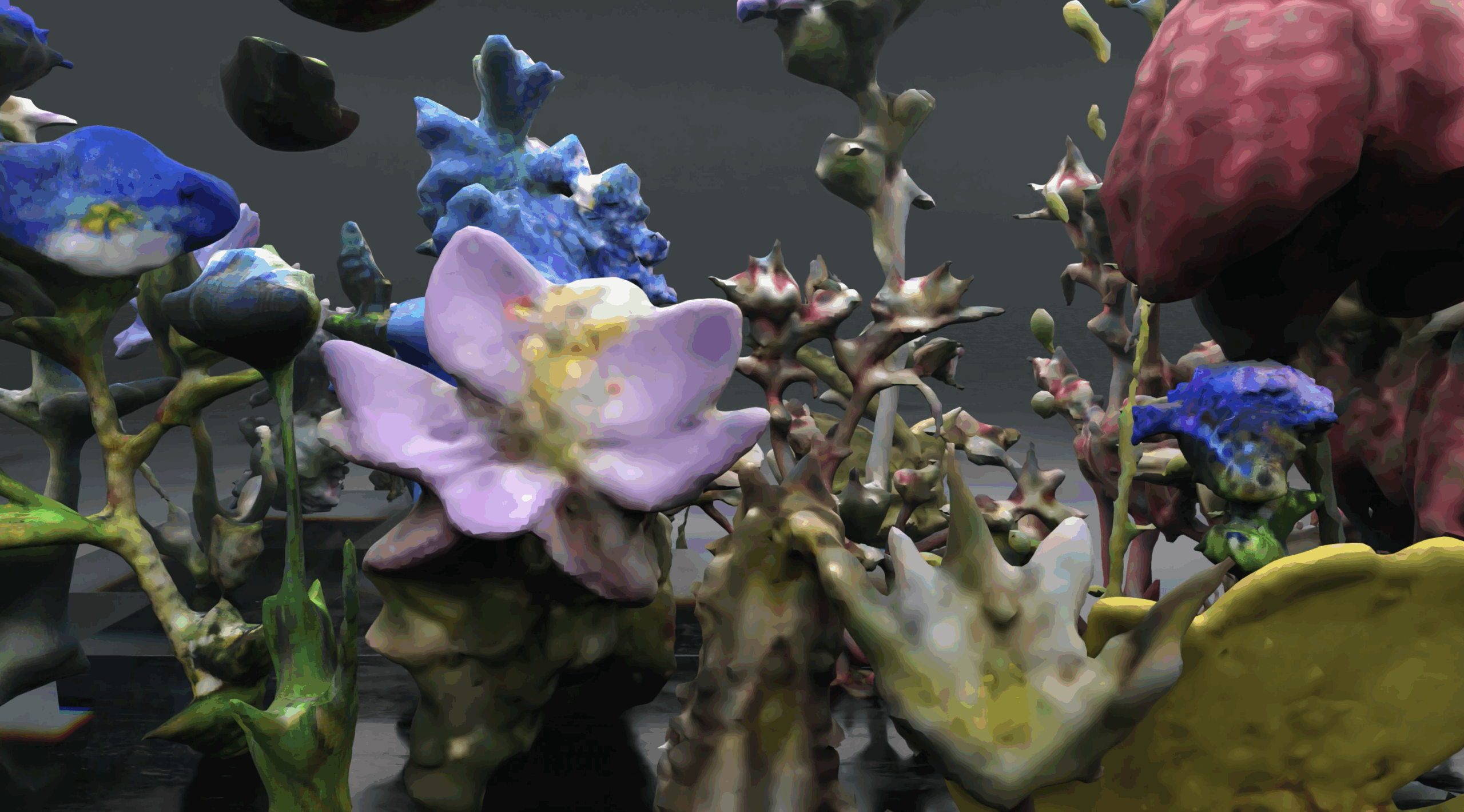
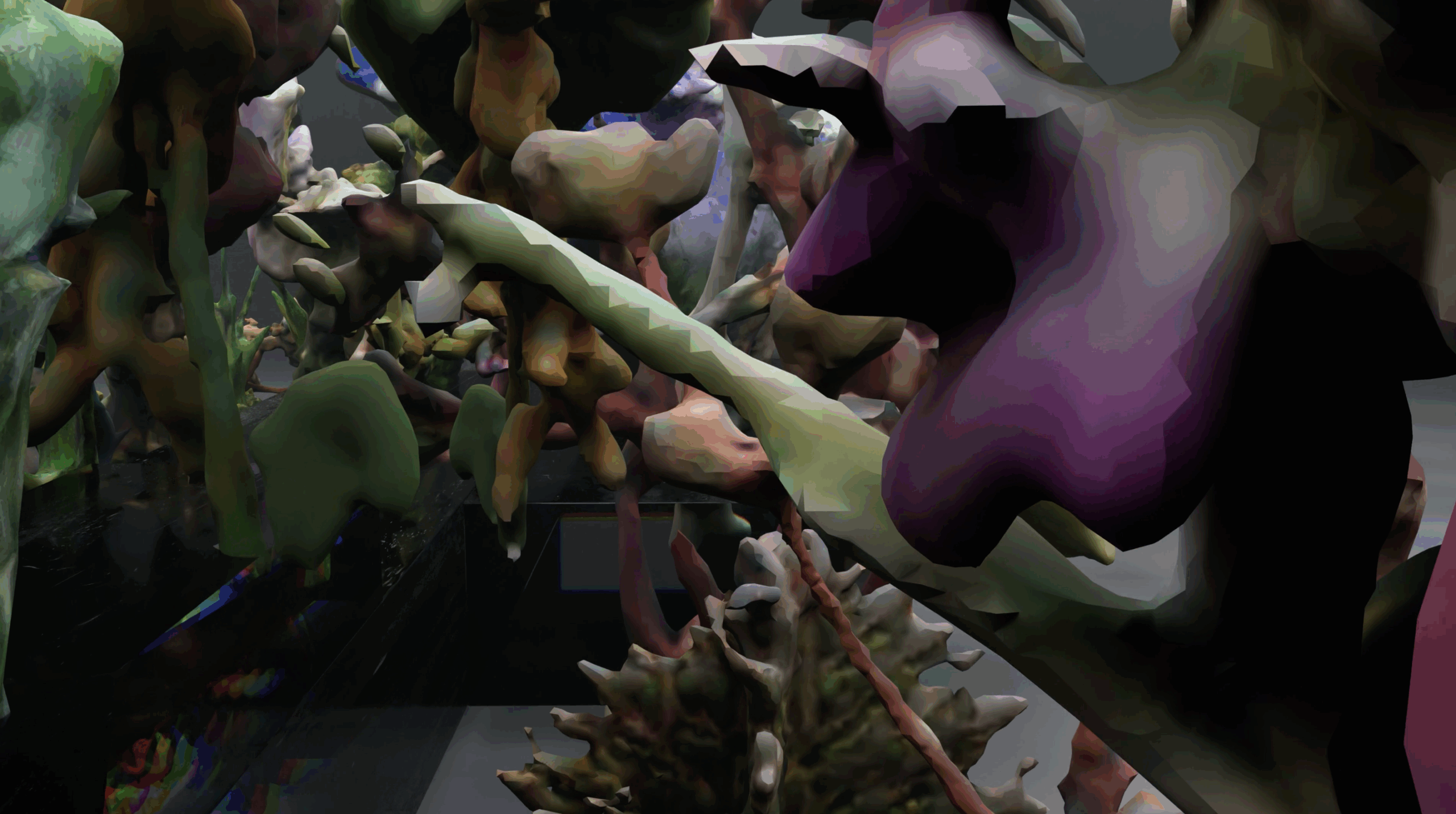
As a result of working with digital image archives of extinct plants, Phantom of a Garden imagines a future in which lost things are brought back to life in a digital realm. Based on a found-footage image archive of extinct and endangered plant species, the digital images and image fragments were subjected to a transformative process with the help of algorithmic reconstruction that interpreted the images as 3D models. Having to rely solely on collected images devoid of perspective and detail, the rendered plants are glitchy and reminiscent of ghostly apparitions or phantom echoes of their former selves.
Videostill, Phantom of a Garden (c) Michaela Putz, Multinode Studio
Videostill, Phantom of a Garden (c) Michaela Putz, Multinode Studio
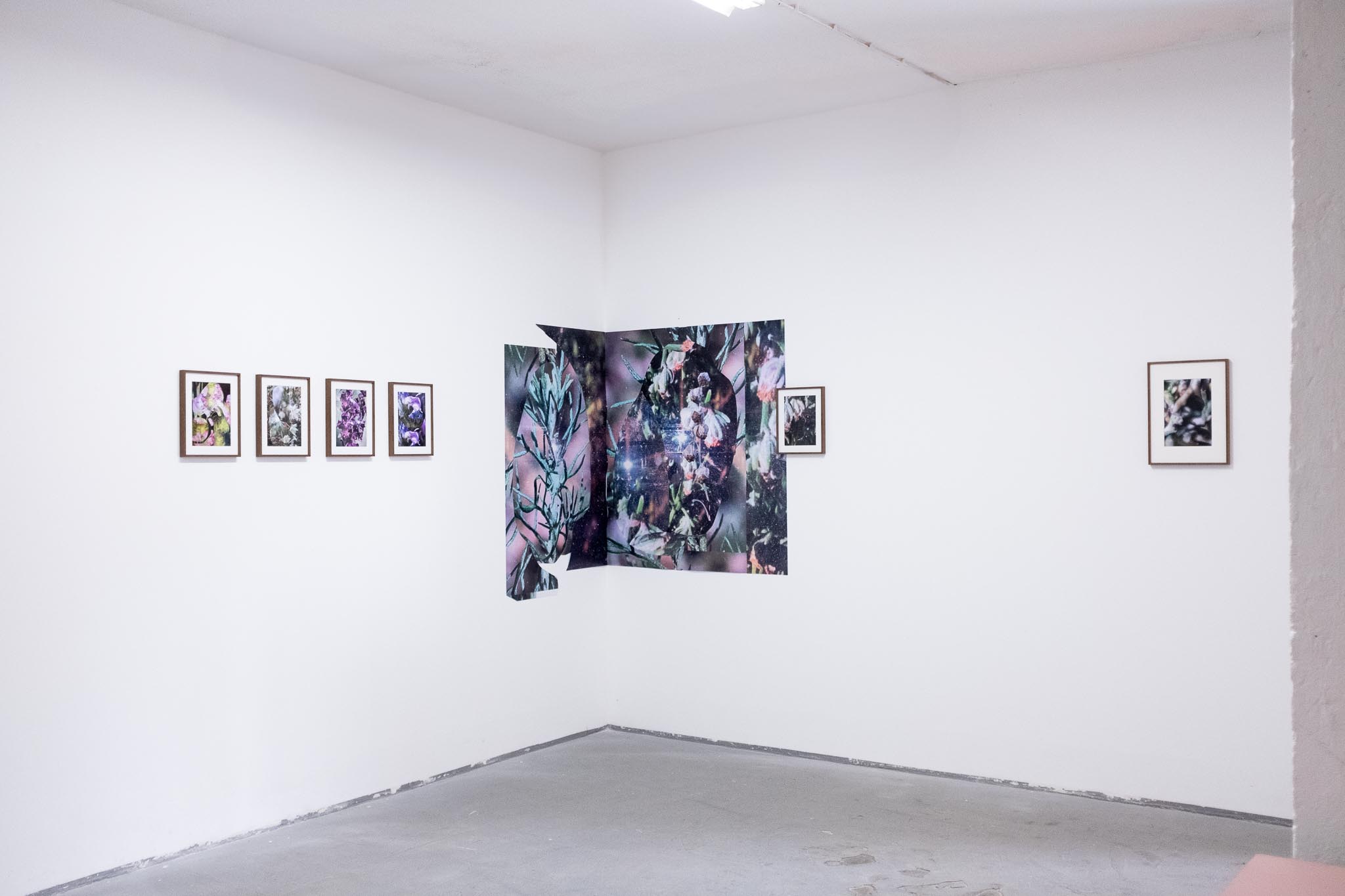
Michaela Putz, Collected - Plants, Sand, Sea, Duo with Laura Sperl - a ilha, xyz Lisbon, imago photo festival lisboa, 2023 (c) Michaela Putz, Bildrecht
Michaela Putz - Fragmentarium - Vienna Collectors Club, Galerie Rudolf Leeb (c) Anna Ignatovich, Vienna Collectors Club
Collages from C-Prints (Fujicolor photo paper matte) / In situ wall collages
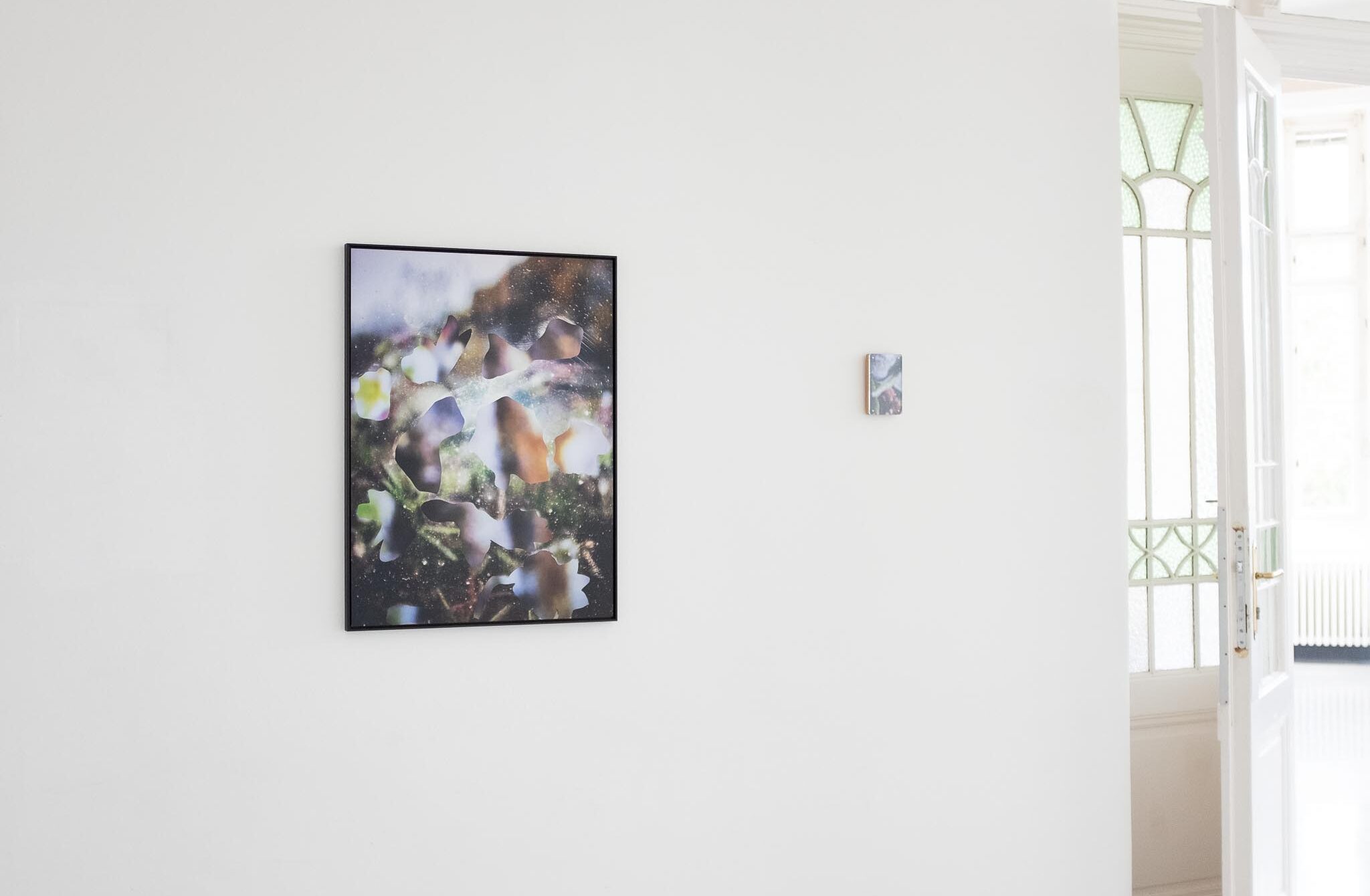
Collected explores the visual memory of endangered and extinct plant species through a series of photographic collages and wall-based installations. Drawing on an extensive image archive gathered from the web, the works operate at the intersection of digital fragment and tactile presence. Image data are exposed as C-prints and subsequently cropped, sometimes following the outlines of blossoms, at other times transformed into new organic silhouettes. The otherwise invisible screen becomes part of the image: keyboard outlines burned into the Retina display, dust, scratches, fingerprints – traces of both device and gesture. Even tools of image processing, such as magnification icons, are absorbed into the visual field. What emerges is a porous image space where fragility, absence, and recollection unfold. The collages do not aim to preserve, but rather to create permeability: for gaps, digital artifacts, and ecological echoes.
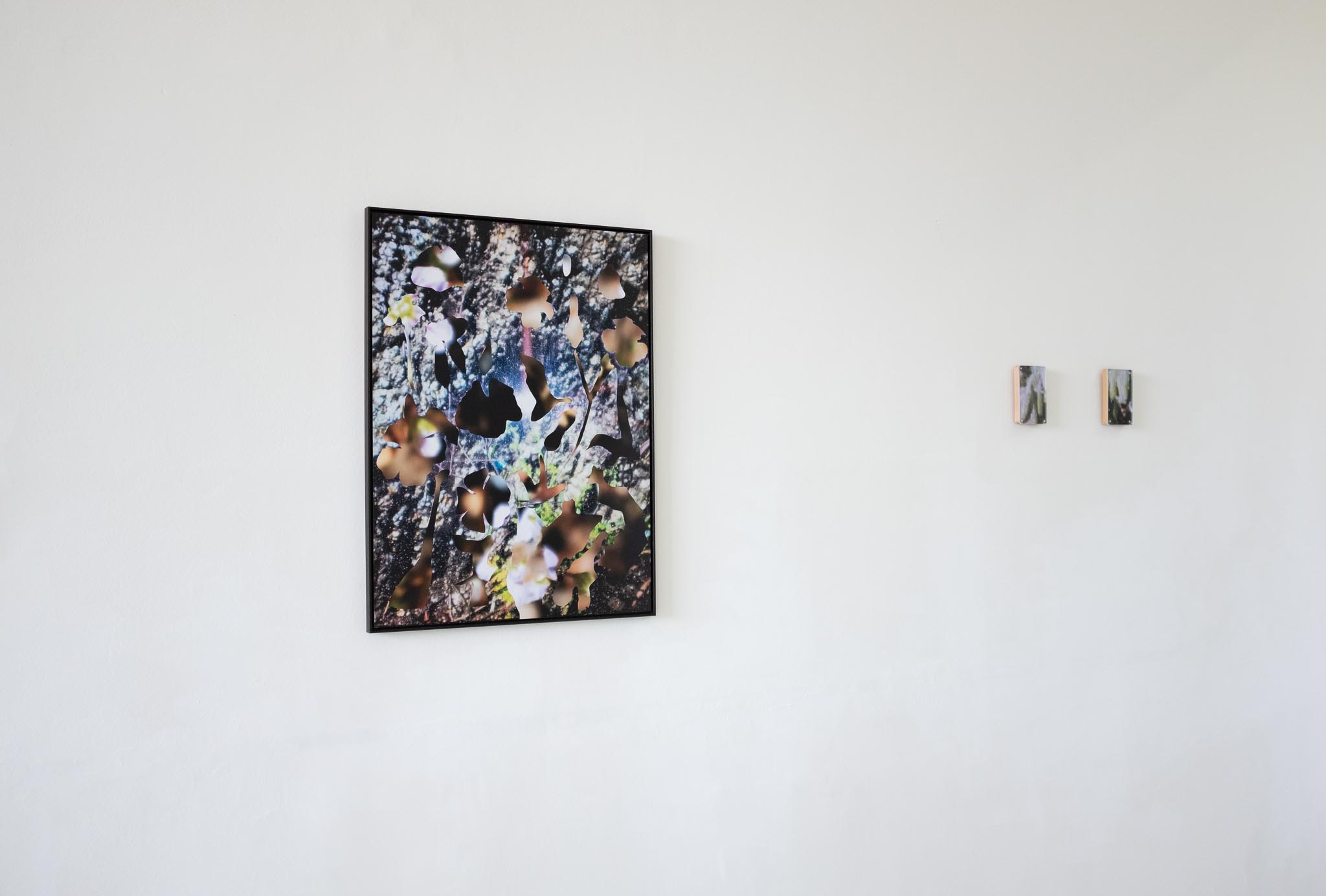
Can something that is lost continue to exist digitally? Michaela Putz explores this question in her work. Her digital pieces incorporate found footage of plants that have recently become extinct or are threatened with extinction. Michaela Putz translates these testimonies of former diversity into a romanticized Baroque aesthetic, interrupted only by the smudged traces of often trivial scrolling, as we find on our tablets and smartphones. In her work, the artist points to a strikingly invasive and destructive element of human action, as well as to the increasingly evident futility of fleeting “gestures.”
Digital collages, C-prints and pigment prints on Hahnemühle, 80 x 60 cm each, Ed. of 3 + 2 AP
Cutouts, 2023
With her Cutouts, “Michaela Putz examines the fragility of extinct plant species. To this end, she photographs landscapes from her screen sing a flash, then digitally erases the plants.”